
About Laurie
I know what gets discussed after you leave the room.
A strong interview or a good review is only part of the decision. The next conversation is often among people comparing what they understood about you.
I help senior go-to-market and presales professionals prepare for that conversation, too.
Explore Stand Out Advantage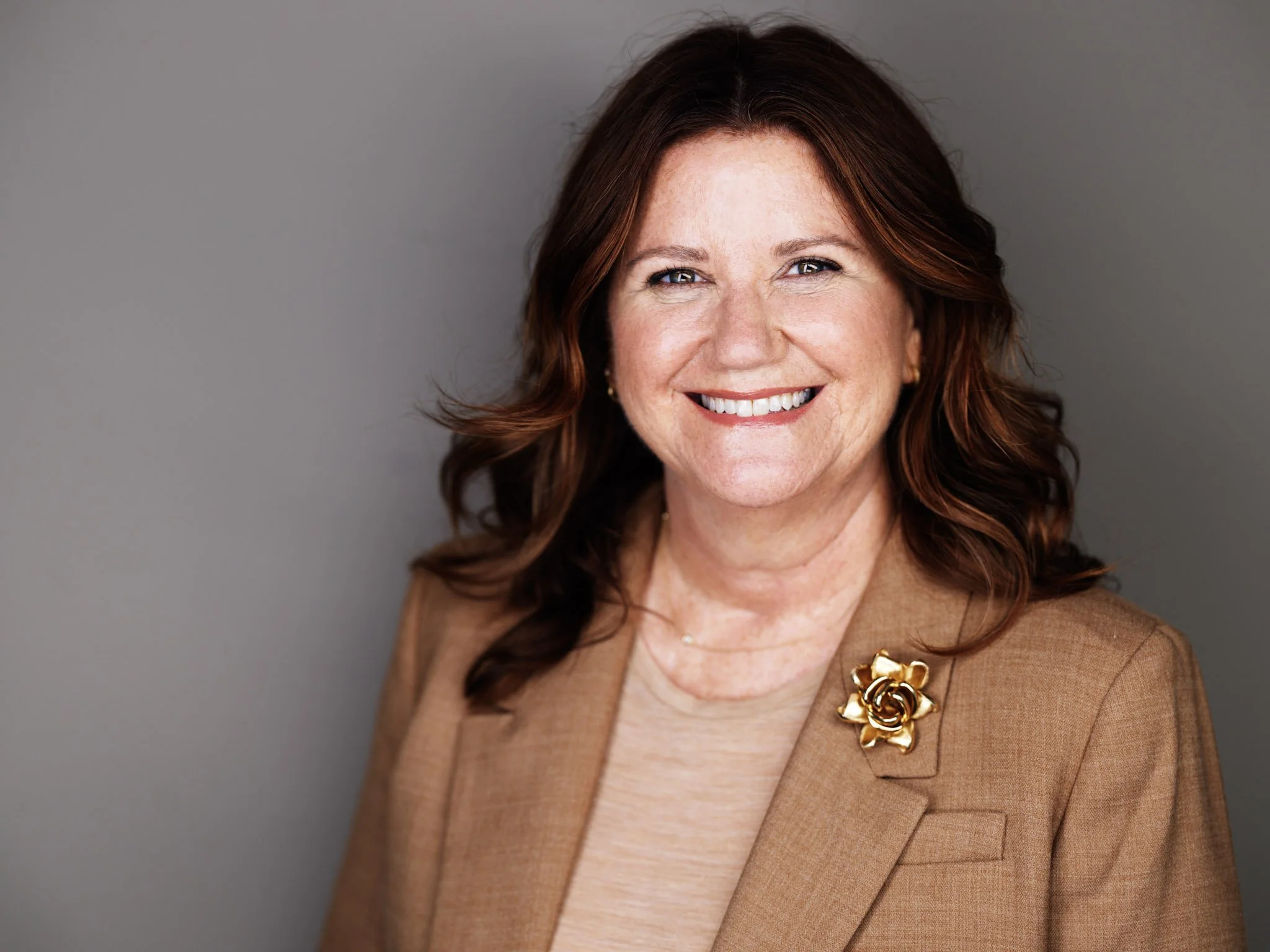
My executive background
25 years inside the decisions.


My leadership experience at these companies put me in the conversations where people are considered for a role, trusted with broader scope, or held at the same level.
I saw how much can be lost when the description of someone’s work fails to capture the contribution behind it. Today, that is the work I focus on with clients.
The professionals I work with
Where my clients work.
I have worked with professionals at companies including:


Companies where my clients work, including clients I’ve placed.
We start with what you have actually done.
Find the evidence
Look at the contribution behind your responsibilities, and the way it is currently described.
Make it specific
Build a professional narrative someone else can understand and repeat.
Prepare for the conversation
Work on the profile, resume, interview answer, or advocacy conversation where that value needs to come through.
Keep it current
Give your next move a direction, and keep the account of your work aligned with your growing scope.
In the room and on the stage
The work has a real-world context.
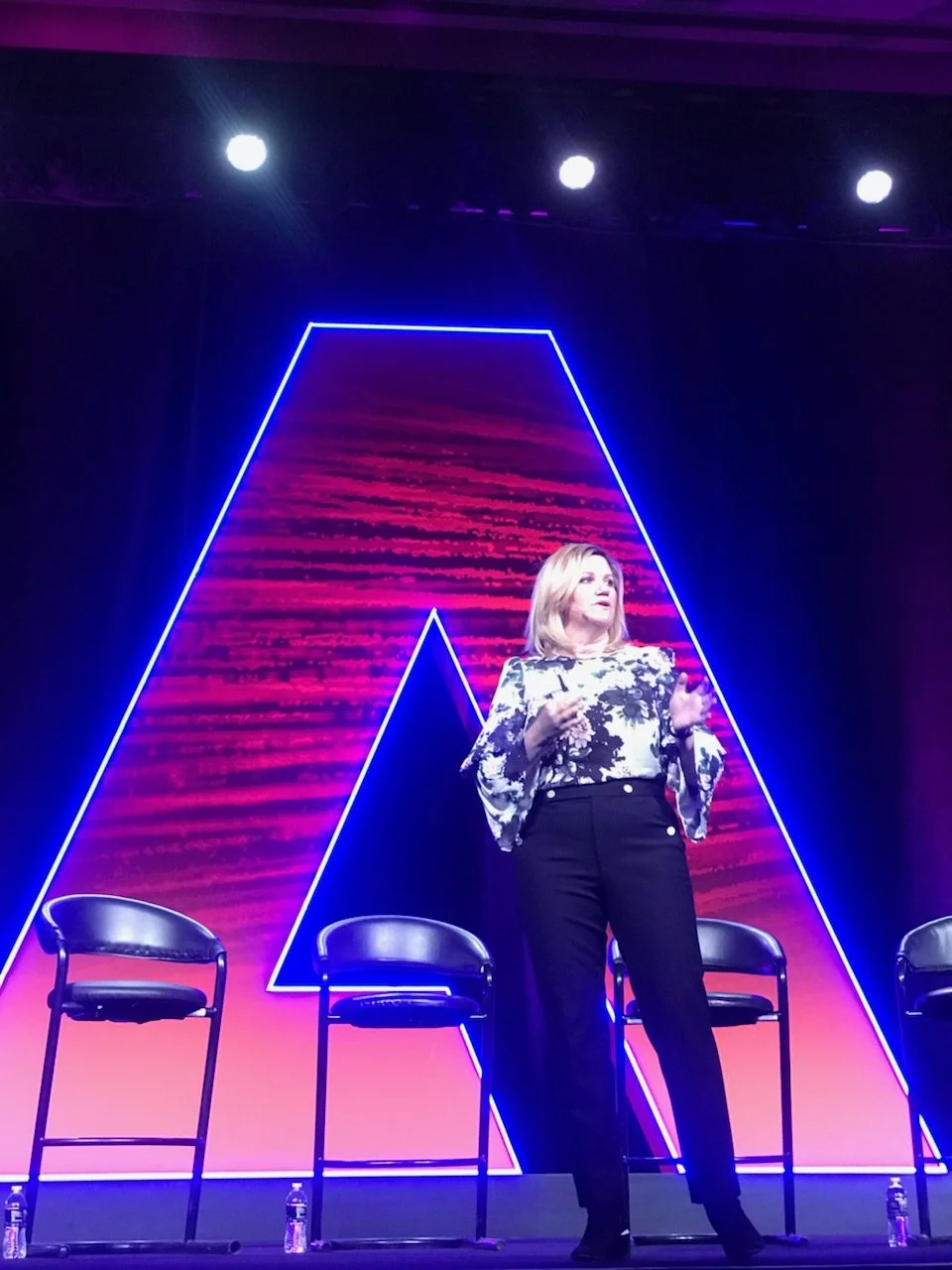
I bring the perspective of someone who has led teams, discussed talent, and addressed the people doing the work.
That experience shapes the questions I ask: what did you contribute, who needs to understand it, and what do they need to hear to make an informed decision?
Hear that perspective on Read the Room.
Short episodes and conversations about how experience is understood and how career decisions get made.
Listen to Read the Room →Put that perspective to work.
Stand Out Advantage brings the narrative, materials, and consequential conversations together in a four-month group experience.
See the program