
Books
My favorite books! I love sharing these with my clients because they've impacted my life both personally and professionally, and I've watched them do the same for others. Each one offers practical wisdom you can use right away.
Building Better Habits
Foundation for all professional growth - start here for creating sustainable change

by James Clear
Why I Love It
The perfect breakdown of how small changes lead to big results. I use these strategies with clients to help them build new habits that stick and break old patterns that aren't serving them.
Key Message
Clear shows how tiny improvements add up to remarkable results.
Practical Use
Great for creating new routines, breaking through plateaus, and making sustainable changes.

by Charles Duhigg
Why I Love It
This book reveals the science behind why we do what we do. Understanding the habit loop is a game-changer for making real behavioral changes.
Key Message
Understanding the cue-routine-reward pattern behind habits.
Practical Use
Perfect for understanding your patterns and creating new, more effective routines.
Leadership & Professional Growth
Build on good habits by understanding and leveraging your natural talents
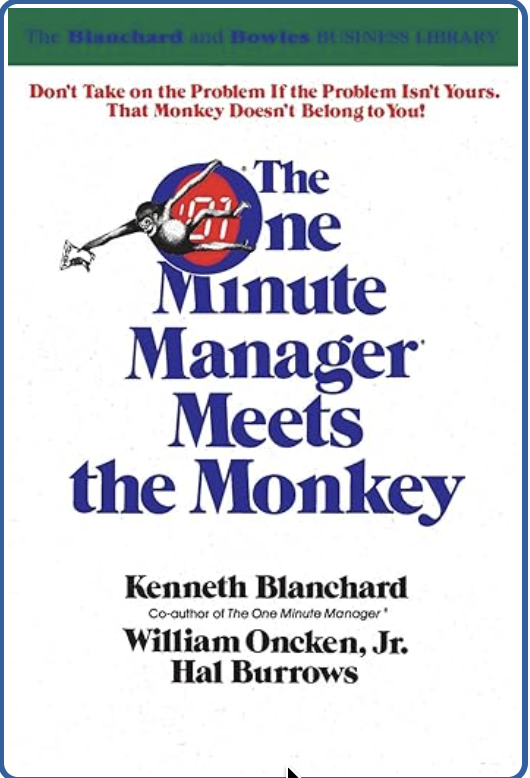
by Ken Blanchard, William Oncken Jr., and Hal Burrows
Why I Love It
This book changed how I think about delegation and ownership. It's essential reading for anyone moving into leadership or struggling with being the bottleneck on their team.
Key Message
The "monkey" is the next move in any problem. Learn to keep monkeys on the right back, empowering others to own solutions rather than upward-delegating everything to you.
Practical Use
Ideal for new managers, senior ICs transitioning to leadership, or anyone who finds themselves overwhelmed doing other people's work.

by Tom Rath and Barry Conchie
Why I Love It
Instead of trying to fix weaknesses, this book shows the power of doubling down on what makes you unique. As someone who spent years trying to be "well-rounded," discovering this strengths-based approach was liberating. It gave me permission to embrace my natural talents and taught me how to leverage them for greater impact. The included CliftonStrengths assessment is a game-changer for understanding your unique leadership fingerprint.
Key Message
Great leaders invest in strengths - both their own and their team members'. The research shows that the most effective leaders know their own strengths and understand how to complement them with the right people and partnerships. The book outlines four domains of leadership strength:
Executing: Making things happen
Influencing: Reaching a broader audience
Relationship Building: Holding teams together
Strategic Thinking: Focusing on what could be
Practical Use
This isn't just theory - it's a practical guide for leveraging your unique strengths in leadership. The framework helps you:
Understand which of the four leadership domains you naturally gravitate toward
Build teams that balance and complement your strengths
Stop trying to be good at everything and focus on being extraordinary at your natural talents
Lead authentically by working with (not against) your natural style
Professional Effectiveness
Tools and frameworks for maximizing your impact - whether leading teams or advancing your career

by Geoff Smart and Randy Street
Why I Love It
Having implemented this method at both Adobe and Slack, I've seen firsthand how it transforms the hiring process. What makes it uniquely valuable is that it works from both sides of the table - whether you're hiring or being interviewed. The structured approach takes the guesswork out of hiring decisions and helps candidates prepare more effectively for behavioral interviews.
Key Message
Past performance is the best predictor of future success. By using a structured, chronological approach to understanding someone's career history, you can make better hiring decisions and, as a candidate, tell your story more compellingly. The method replaces gut feelings with a systematic evaluation process.
Practical Use
For hiring managers: Provides a clear framework for conducting thorough interviews that reveal both competency and fit. The scorecard approach ensures alignment before you start recruiting.
For candidates: Helps you prepare for behavioral interviews by organizing your career story and achievements in a way that clearly demonstrates your impact. Understanding this method gives you insight into what interviewers are looking for and how to present your experience effectively.
Career Navigation
Apply your strengths and habits to find/create your ideal career path
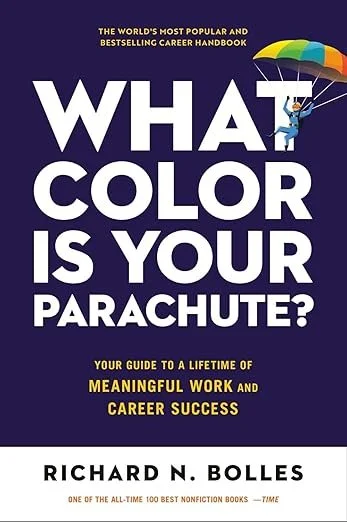
"What Color Is Your Parachute?: Your Guide to a Lifetime of Meaningful Work and Career Success"
by Richard N. Bolles
Why I Love It
I use this book's unique approach with clients to help them discover their true career path. The Flower Exercise is particularly powerful for understanding your transferable skills and ideal work environment.
Career success comes from understanding your unique strengths and finding work that aligns with your values and skills.
Key Message
Practical Use
Perfect for career transitions, job searches, and discovering work that truly fits who you are. The practical exercises help you make concrete decisions about your next career move.
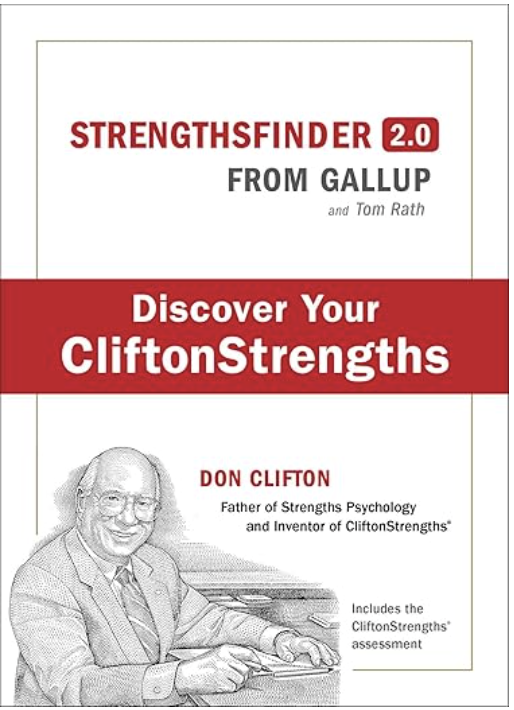
by Don Clifton and Tom Rath
Why I Love It
This is one of the most useful starting points if you’re struggling to articulate how you’re different. Rather than asking you to “fix weaknesses,” it helps you name and understand the patterns that already drive how you think, decide, and perform. I also value the accompanying online assessment, which gives you concrete language instead of vague self-reflection.
You gain leverage by understanding and developing your natural strengths. Clarity comes faster when you can name what you do instinctively well and see it reflected back to you.
Key Message
Practical Use
For clients seeking inspiration or external validation around their unique strengths, this is a useful tool. The assessment often confirms instincts you already have about yourself but haven’t trusted or articulated yet. It can unlock language, confidence, and momentum, especially early in the process, when you may need a credible mirror to help you see what’s already there.
Personal Growth
Self-awareness, confidence, and intentional choices

by Allison Bornstein
Why I Love It
This book was a game-changer for me during a time when I was struggling to reconnect with myself. After years of balancing motherhood and a demanding career, I had lost touch with my personal identity. The book taught me that being intentional about how we present ourselves is deeply connected to feeling grounded in who we are and owning our unique strengths.
Key Message
Your personal style is more than just clothes—it's a powerful tool for building confidence and owning your authentic self in every setting.
Practical Use
The book provides a clear framework for building a wardrobe that truly reflects who you are. Through this intentional approach to personal style, you naturally become more grounded in your authentic self, leading to greater confidence and helping combat those moments of self-doubt and imposter syndrome we may face.
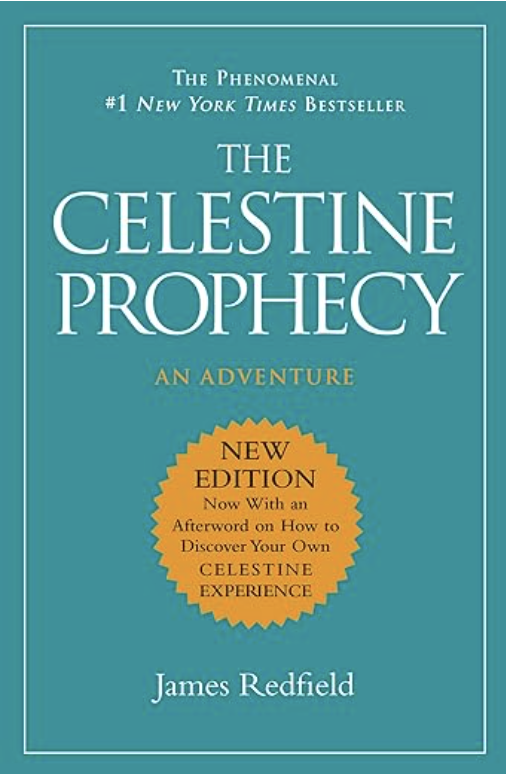
by James Redfield
Why I Love It
I read this when it was first published, and one idea has stayed with me ever since: every interaction matters. Not in a dramatic, destiny-is-calling way, but in a quiet, awareness-shifting way. The book invites you to notice timing, people, and conversations more closely, and to consider what they might be surfacing or moving forward.
Key Message
Interactions aren’t random background noise. Who shows up, when they show up, and what gets exchanged often has meaning, momentum, or information attached. When you pay attention, patterns emerge and decisions feel less accidental.
Practical Use
This is a mindset book more than a how-to. It’s useful when you’re in a transition, questioning direction, or feeling disconnected from your intuition. It sharpens awareness and encourages you to listen more closely to what’s happening around you and within you, especially in conversations that seem small but linger longer than expected.